Join us for the spiritual events and festivals that bring the community together to celebrate the divine presence of Lord Subramanya.
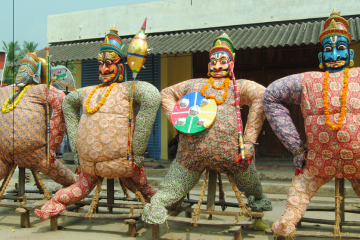
Soorasamharam Maholsavam
Murugan's victory over Soorapadman, a grand celebration full of rituals.
Event History
The Soorasamharam festival commemorates Lord Murugan's legendary battle and victory over the demon Soorapadman. Rooted in the ancient Hindu epic tradition, this festival is celebrated with great fervor and devotion. The story dates back to the ancient texts, where Soorapadman, a formidable demon, terrorized the heavens and the earth, challenging the very essence of good.
To restore balance and harmony, the divine mother Parvati created Lord Murugan, who embodies strength, courage, and valor. With his divine weapon, the Vel (spear), he engaged Soorapadman in a fierce battle that spanned across various realms. This confrontation is a symbol of the eternal struggle between good and evil, representing the triumph of righteousness over malevolence.
The festival typically includes elaborate rituals, processions, and traditional performances, drawing thousands of devotees who come to pay homage. Devotees participate in various ceremonies, including fire-walking, offering flowers, and chanting sacred hymns, which are believed to invoke Lord Murugan's blessings.
The Soorasamharam festival not only celebrates this mythological victory but also serves as a reminder of the importance of faith, devotion, and the eternal battle against the evils that seek to disrupt peace and harmony in the world. It is a time for renewal, reflection, and a collective reaffirmation of belief in the divine's protective power.
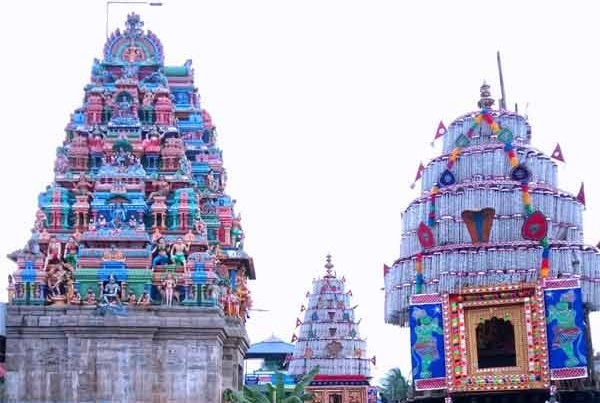
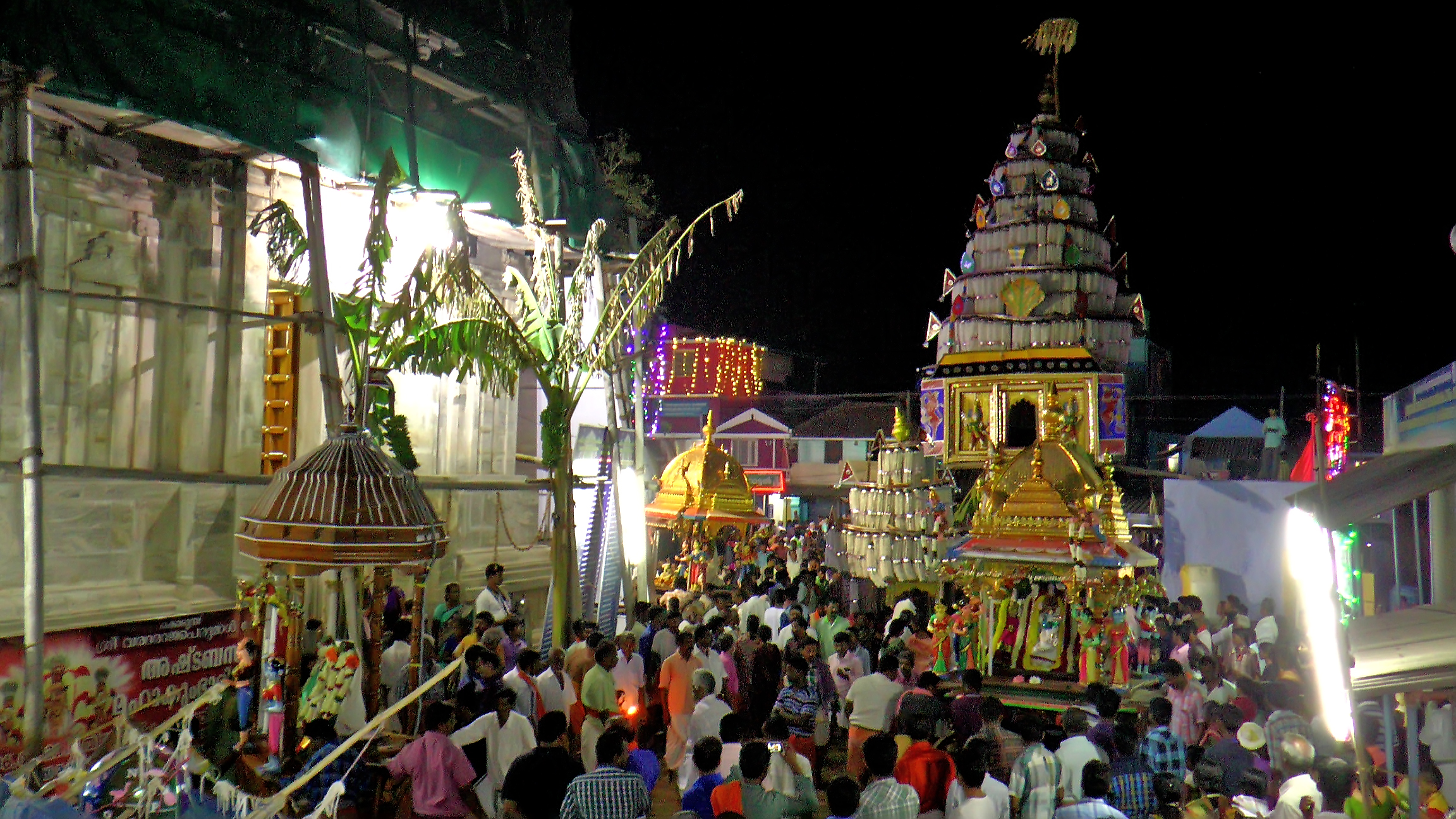
Kodumbu Ratholsavam
Majestic chariot festival celebrated with devotion and fervor.
Event History
The Ratholsavam, or chariot festival, is a vibrant and spiritually significant ritual celebrated with immense devotion at various Murugan temples. This grand event occurs annually, attracting thousands of devotees from nearby villages who come together to pull the sacred chariot in a lively procession.
Symbolizing Lord Murugan's divine blessing, the chariot is adorned with flowers and colorful decorations, representing the deity's presence among the people. As the procession unfolds, devotees unite in faith, pulling the chariot through the streets with fervent chants and traditional music, creating a festive atmosphere.
Rituals and offerings are integral to the Ratholsavam, with devotees presenting fruits, flowers, and sacred items to seek Lord Murugan's blessings for health and prosperity. Many participants undertake vows, such as pulling the chariot barefoot or carrying Kavadi as acts of penance.
Beyond religious observance, the festival fosters a sense of community, strengthening bonds among families and neighbors through shared devotion. The event culminates with the chariot's arrival at the temple, where further rituals and celebrations take place, inspiring devotees to embody the courage and compassion exemplified by Lord Murugan.
Kumbhabhishekam
Sacred consecration ceremony of spiritual rejuvenation.
Event History
The Kumbhabhishekam ceremony, held every 12 years, is a significant ritual for the rejuvenation and rededication of a temple to its presiding deity. Rooted in ancient Vedic traditions, this sacred event aims to preserve the temple's spiritual energy for the community of devotees.
The ceremony features intricate rituals performed by learned priests, starting with Vedic chants, or **Mantras**, that invoke divine blessings and purify the surroundings. A key highlight is the pouring of consecrated water, known as **Abhishekam**, over the temple's Vimana (tower) and deities. This water, collected from holy rivers and stored in **Kumbhams**, symbolizes the flow of divine blessings.
The Kumbhabhishekam spans several days, incorporating purification rituals, sacred fire offerings, and more, all conducted according to Vedic protocols. Devotees gather to witness this auspicious event, believed to bestow blessings of prosperity, health, and inner peace.
Beyond its spiritual significance, the ceremony represents the temple's physical renewal, with repairs and beautification carried out beforehand. It serves as a celebration for the community, reinforcing the temple's role as a spiritual beacon where individuals connect with the divine and uplift their collective faith and harmony.